
Find Your Sewer Cleanout in 6 Steps: Locate, Mark, Call a Plumber

Most sewer cleanouts sit just outside the foundation, in a straight line between the house and the street, or inside along the lowest run of the main drain pipe in a basement, garage, or utility room. Look for a capped pipe about the size of a coffee can, sometimes marked “S.C.O.,” poking up from the lawn or flush with a slab floor. Photograph the spot once you find it. If you can’t locate one after checking these spots, call a licensed plumber before you dig or pry at anything.
TL;DR:
Most sewer cleanouts are located near the foundation outside the house or along the main drain line inside in basements, garages, or utility rooms.
Outdoor cleanouts are usually a capped pipe about 3 to 4 inches wide, marked “S.C.O.” or “Cleanout,” often hidden under landscaping or buried.
Indoor cleanouts are threaded fittings near where the main waste pipe exits the building or inside slab homes behind panels or in garage floors.
To find your cleanout, start at the lowest fixture, trace the line outward, examine the foundation line, consult property or municipal records, and probe suspicious ground gently.
Always call a licensed plumber if you cannot locate the cap, if it’s corroded or buried deeply, or if sewage backups occur to avoid damage or safety hazards.
Table of Contents
Common Outdoor Sewer Cleanout Locations
Outdoor cleanouts typically sit a few feet from the foundation, positioned along the shortest path between your house and the municipal sewer main. Builders usually place them where the main line exits the house, then again farther out toward the property line or street.
Look for these visual cues:
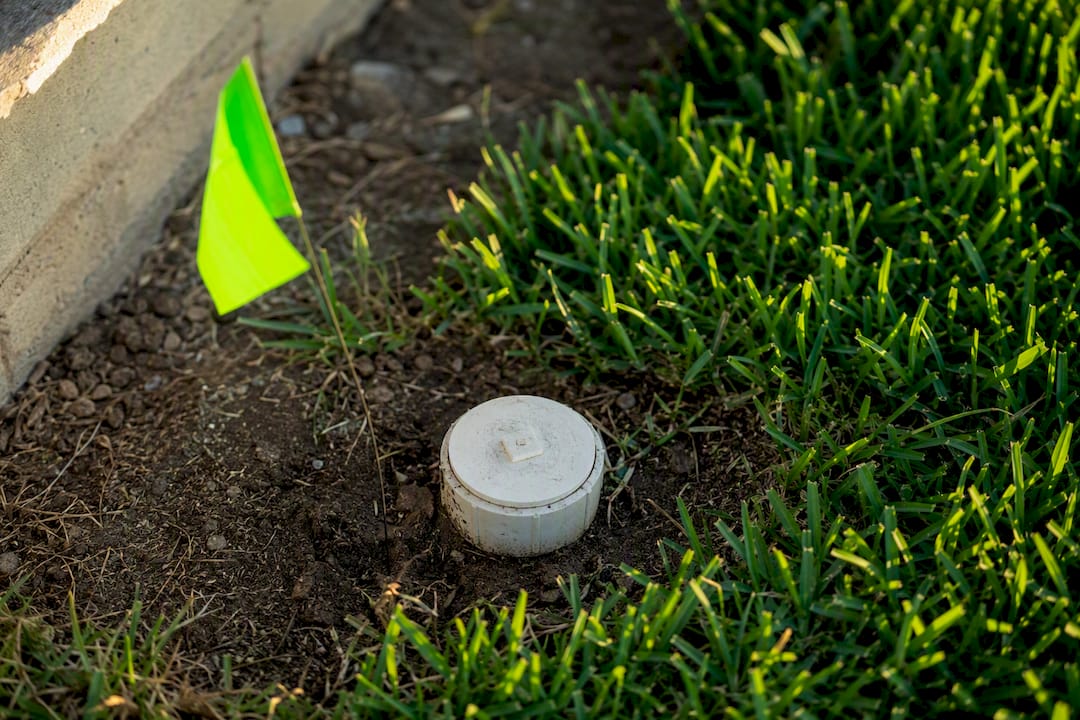
A capped pipe, usually 3 to 4 inches wide, sometimes stamped “S.C.O.” or “Cleanout”
A round or square lid roughly the size of a coffee can lid, sitting flush with the grass
Plastic caps with a raised knob, or brass and cast iron plugs on older homes
A slight rise or bump in an otherwise flat section of lawn near the foundation line
Sod, mulch, and overgrown garden beds bury these caps more often than you’d think. If you suspect a cleanout is hiding under landscaping, probe gently every foot or so with a long screwdriver rather than digging blind, a technique plumbers rely on when a cap has vanished under years of yard work, according to SewerEx.
Indoor Sewer Cleanout Locations
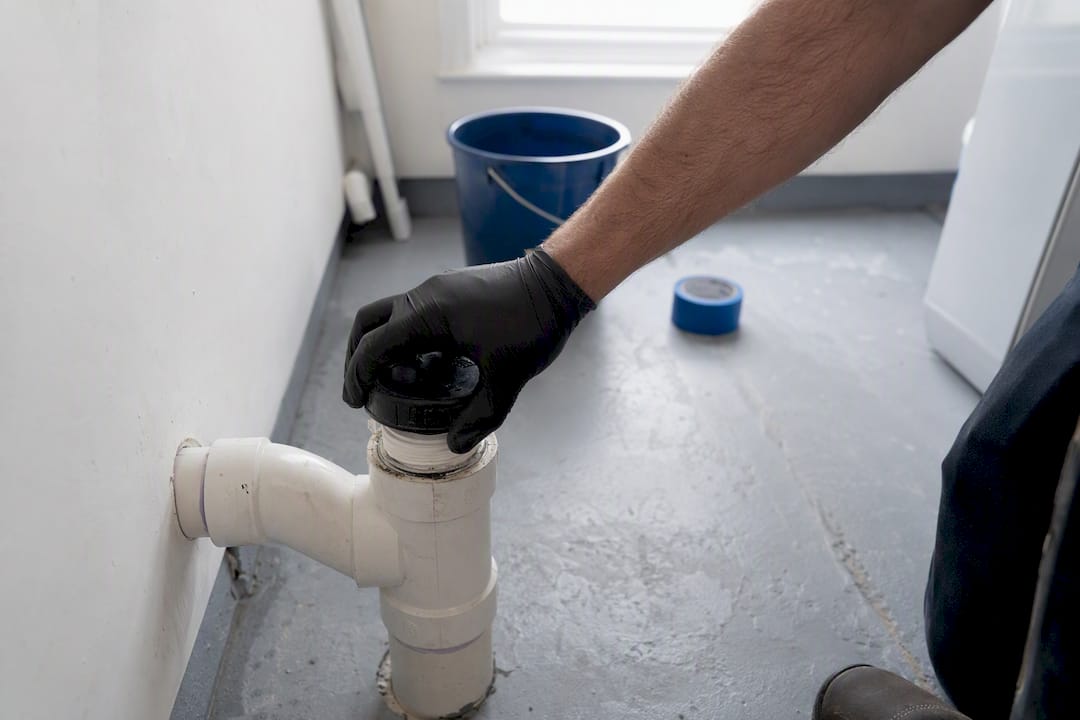
Homes built on a slab foundation, or in colder regions where builders avoid burying pipe deep in frozen ground, often route the cleanout inside instead. Check basements, crawl spaces, utility rooms, and garages along the lowest horizontal run of the main waste pipe, near an exterior wall, according to NoDig.
A few things to sort out once you’re inside:
The main house cleanout is a threaded fitting, often with a square nut, positioned near where the line exits the building
Stack or branch cleanouts serve individual fixture lines but don’t give you access to clear the entire system
Confusing the two wastes time. A stack cleanout might look identical but leaves the mainline blockage untouched
Slab homes sometimes hide the main cleanout inside a garage floor or behind a utility room panel
Homeowners dealing with slab foundations often run into plumbing quirks that go beyond just locating a cap. Texas Comfort Crew’s foundation plumbing work covers exactly this kind of slab-related access issue.
How to Find Your Sewer Cleanout Step by Step
Work through this in order, and stop the moment something feels beyond a simple visual check.
Start at the lowest fixture in the house (a basement toilet or floor drain) and trace the drain line toward the exterior wall.
Walk the exterior foundation in line with your bathrooms, looking for a capped pipe within a few feet of the house.
Pull your property survey or plot plan if you have one; some show sewer line routing.
Check municipal engineering or DPW records for older neighborhoods, since some cities maintain maps of sewer assets that include cleanout locations.
Probe shallow, suspicious ground every foot with a long screwdriver if landscaping might be hiding a cap.
Stop and call a plumber if you can’t find a cap, or if one is stuck, corroded, or buried deep.
Pro Tip: Once you find the cap, take a photo with your phone and drop a pin on a map app. During an actual backup at 11 p.m., that thirty-second habit saves you from crawling around with a flashlight while sewage backs up into a tub.
Tools and Safety Tips for Locating a Cleanout
You don’t need specialty gear to find a cap, just the right basics and a healthy respect for what’s underneath it.
A flashlight and a long flathead screwdriver or metal probe for shallow soil checks
A garden trowel for clearing mulch or thin sod away from a suspected cap, not for digging
Gloves and eye protection any time you’re near an open or cracked cap
Leave a pipe wrench and actual cap removal to a licensed plumber
Cleanout caps come in a few materials: ABS or PVC plastic on newer homes, brass or cast iron on older ones, in diameters that usually run 3, 4, or 6 inches. Never force open a cap that shows signs of pressure, standing water, or odor. Keeping cleanouts accessible and undamaged reduces the risk of sewage gas exposure and cuts down on emergency calls that could have been routine ones.
Maintaining and Protecting Your Cleanout
Finding the cap is only half the job. Keeping it usable matters just as much.
Clear debris, dirt, and grass clippings off the lid every so often so it doesn’t seize up
Replace a cracked or missing cap with a threaded cleanout plug rather than leaving it open
Mark the spot with a stake, flag, or paint dot, and note it on any property plans you keep
Ask a plumber about raising a buried cap to grade with an extension fitting if landscaping keeps swallowing it
Do a quick visual check once a year, and keep new plantings a couple feet clear of the cap
A membership plan with routine inspections, like the one Texas Comfort Crew offers through its maintenance memberships, catches this kind of small neglect before it turns into a bigger repair.
When to Call a Licensed Plumber
Some situations call for a professional, no debate. Call one when:
You’ve checked the likely spots and still can’t find a cap
The cap is buried deep, corroded shut, or won’t budge with hand tools
Water or sewage is backing up into fixtures inside the house
You’re unsure whether an access point on your property belongs to you or the city
Property owners are usually responsible for the cleanout on their own line, while municipal engineering records or the county DPW handle city-owned sewer assets further down the line. When you call, tell the plumber what you already tried, where you searched, whether you spotted a cap at all, and whether you saw standing water or sewage. That context alone can cut a service visit down by half.
Why Locating and Marking Your Cleanout Actually Matters
Most homeowners only think about their cleanout during a crisis, which is exactly backward. An accessible, well-marked cleanout turns a potential mainline backup into a routine service call instead of an emergency dig. Texas Comfort Crew leans toward repair over replacement wherever the plumbing allows it, and an exposed, functioning cleanout is one of the clearest reasons that approach works: technicians can clear a line fast instead of guessing where to break ground.
That’s the whole case for spending twenty minutes finding your cap now. It’s cheaper insurance than most homeowners realize.
— Dan Patino
Get Help Locating or Repairing Your Sewer Cleanout
If you’ve searched your yard, checked the garage, and still can’t find a cap, that’s a normal outcome, not a failure on your part. Texas Comfort Crew handles cleanout locating, excavation and raising buried caps to grade, cap replacement, and emergency response across its San Antonio area service areas, all with the same repair-first approach the crew applies to every plumbing job.

Hiring a licensed plumber for this work isn’t just about convenience. Buried or damaged cleanouts that get dug up incorrectly can crack surrounding pipe, and code-compliant cap replacement matters if you ever sell the house. Whether you’re dealing with a slab foundation that’s swallowed the access point or a stuck cast iron plug from the 1970s, Texas Comfort Crew’s plumbing services team can find it, expose it, and fix it in one visit. Reach out to schedule a locating and inspection visit before the next backup forces the issue.
Where to Verify Your Cleanout Location
Check your county or city Department of Public Works for engineering records on sewer assets near your property.
Read The Spruce’s locating guide for interior search patterns.
Order a replacement PVC cleanout plug if your existing cap is cracked or missing.
Sources
FAQ
Where should a sewer cleanout be located?
Most are located near the foundation, aligned with the path to the street, or indoors along the lowest run of the main waste pipe in a basement, garage, or utility room.
Where can I find my sewer cleanout?
Walk your foundation line looking for a capped pipe about 3 to 4 inches wide, check indoors near exterior walls in basements or utility rooms, and probe suspicious patches of lawn every foot with a screwdriver if landscaping might be hiding it.
What do old sewer cleanouts look like?
Older homes often used brass or cast iron plugs instead of the plastic caps common today, and the fitting may have corroded or sunk below grade over decades, making it harder to spot.
Where is the cleanout plug located?
The plug, or cap, sits on top of the cleanout pipe itself, either flush with the ground outside or capping a fitting indoors near where the main line exits the house; it’s threaded and often stamped with a square nut for wrench access.
Can I open my own sewer cleanout cap?
You can inspect and probe around a cap yourself, but actually removing a stuck, corroded, or pressurized cap is a job for a licensed plumber since a wrong move can spray sewage or damage the pipe.
Recommended
Comments