
Why Your Pilot Light Keeps Going Out (And How to Fix It)
A pilot light that keeps going out almost always comes down to one of four things: a worn thermocouple, a clogged pilot orifice, a draft problem, or a failing gas valve. If you smell gas anywhere near the appliance, leave the house immediately and call your gas utility or 911 from outside. If there’s no gas odor, it’s safe to attempt a relight once or twice using the steps below before calling a professional.
TL;DR:
Most pilot light outages are caused by a worn thermocouple, which is often inexpensive and simple to replace if cleaned and correctly positioned.
A weak, yellow, or sooty flame indicates a clogged pilot orifice or drafts affecting the pilot stability, requiring cleaning or draft sealing.
Persistent pilot outages despite troubleshooting suggest gas valve problems or a cracked heat exchanger, which demand professional diagnosis and repair.
Attempting multiple relights beyond two times can mask serious issues and increase safety risks, especially if gas odors or abnormal flame colors are present.
Using a multimeter to test the thermocouple can confirm if it needs replacement, with a healthy reading typically between 20 and 30 millivolts.
Table of Contents
Immediate Safety Checklist Before You Do Anything Else
Before you touch the gas valve or reach for a lighter, run through this checklist.
Sniff test first. If you smell rotten eggs or your carbon monoxide alarm is sounding, get everyone out of the house and call your gas company’s emergency line from a neighbor’s phone or your cell outside.
Kill the power. Flip the switch or breaker feeding the furnace or water heater, then turn the gas control knob to OFF.
Wait five minutes. This clears any residual gas from the combustion chamber before you open a panel or strike a lighter.
Limit yourself to two relight attempts. If it won’t stay lit after two tries, stop. Repeated attempts without diagnosis just mask a bigger problem.
Grab a long lighter or fireplace match and keep your face and sleeves clear of the pilot opening.
If any of this feels uncertain, stop and call a licensed technician instead of guessing.
What’s Actually Causing the Pilot to Go Out?
The symptom pattern usually points straight to the cause, and reading it correctly saves you from replacing parts you didn’t need to touch.
Thermocouple wear or misalignment. The pilot lights fine and stays lit while you hold the reset knob, but goes out within seconds of releasing it. This is the single most common reason a pilot light repeatedly goes out, and it’s usually a cheap, fast fix.
Clogged pilot orifice. The flame looks weak, yellow, or lazy instead of a strong blue cone, and you may notice soot collecting around the burner assembly. A clogged orifice restricts gas flow enough that the flame can’t maintain contact with the thermocouple tip.
Drafts or pressure changes. The pilot dies specifically when it’s windy outside, when a door slams, or when the attic fan or bathroom exhaust kicks on. This points to ventilation or draft interference rather than a failed part.
Gas valve or supply problems. The pilot won’t light at all, lights intermittently, or other gas appliances in the house are also acting up. This is a job for a technician with a manometer, not a screwdriver.
Cracked heat exchanger or combustion anomalies. Soot buildup, a flickering or popping flame, or a burning smell alongside the pilot issue are red flags. Stop troubleshooting and schedule an inspection immediately. A cracked heat exchanger is a carbon monoxide hazard, not a maintenance inconvenience.
How to Relight a Furnace or Water Heater Pilot Safely
Every appliance has a manufacturer label near the gas valve with its exact sequence. Read it first. Most furnaces and water heaters follow the same basic pattern, though timing varies slightly.
Set the gas control knob to OFF and wait 5 minutes for gas to clear.
Turn the knob to PILOT.
Press and hold the reset button while lighting the pilot with a long lighter.
Keep holding the reset button for 30 to 60 seconds after ignition. This gives the thermocouple time to heat up and open the gas valve on its own.
Release the button. The pilot should stay lit on its own. If it goes out immediately, wait five minutes and try again before troubleshooting further.
Turn the knob to ON once the pilot holds steady.
A healthy flame is mostly blue with a small yellow tip, roughly an inch tall, and steady rather than flickering. Stop after two failed relight attempts. A pilot that won’t hold after two tries needs diagnosis, not persistence.
DIY Fixes by Cause: What You Can Handle and What You Can’t
Some of these repairs are well within reach for a homeowner with basic tools. Others aren’t worth the risk.
Thermocouple: Check that the tip sits directly in the pilot flame, not off to the side. Gently clean it with fine sandpaper or steel wool if it looks tarnished. If cleaning and repositioning don’t help, thermocouples are inexpensive and reasonable to replace yourself if you’re comfortable with basic gas fittings.
Pilot orifice: Clean gently with compressed air or a soft wire like a straightened paperclip. Never force a hard object into the opening. If the flame stays weak after cleaning, the orifice may need replacement.
Drafts: Seal gaps around the appliance closet, check that nearby vents or an attic fan aren’t creating negative pressure, and confirm the appliance’s own draft hood isn’t blocked.
Gas valve, combustion, or heat exchanger issues: These require pressure testing and combustion analysis equipment. If you see soot, smell anything unusual, or the pilot fails despite a good thermocouple and clean orifice, stop and call a professional.
Pro Tip: Keep fans, open windows, and other cooling sources away from the thermocouple during testing. Nearby drafts can throw off readings and even mimic a failing thermocouple when the real issue is airflow.
When to Call a Professional (and What It Costs)
Some situations aren’t DIY territory, period.
You smell gas at any point, even faintly.
The flame looks yellow, orange, or sooty instead of blue.
The pilot has failed on the same appliance more than twice in a week.
Your CO alarm has ever activated near the unit.
You suspect a cracked heat exchanger, especially on a furnace older than 15 years.
A technician’s visit typically includes a millivolt test on the thermocouple, a gas valve pressure check, a combustion and carbon monoxide test, and a visual heat exchanger inspection where accessible. Thermocouple replacement is usually one of the least expensive repairs in HVAC service. If a technician recommends a full system replacement instead, ENERGY STAR’s guidance suggests weighing that option seriously once repair costs approach roughly 50% of a new system’s price, particularly on older equipment.
Testing a Thermocouple With a Multimeter
If you want to confirm the thermocouple is actually the problem before replacing it, a multimeter gives you a definitive answer instead of a guess.
Turn off gas to the appliance and let it cool completely.
Disconnect the thermocouple from the gas control valve. It’s the copper lead running from the pilot bracket to the valve.
Set your multimeter to DC millivolts (mV), not volts.
Clip the multimeter leads to the thermocouple’s tip and its connector, or use the appropriate adapter if your model has one.
Relight the pilot manually and hold the flame directly on the thermocouple tip for about 30 seconds.
Read the display. A healthy thermocouple produces roughly 20 to 30 millivolts under flame.
Anything below about 20 mV means the thermocouple is degrading and should be replaced, even if it still lights the pilot occasionally.
Keep the flame steady and centered on the tip during the test. A weak or off-center flame can produce a falsely low reading and lead to unnecessary replacement.
Publisher Perspective: How Texas Comfort Crew Approaches Recurring Pilot Outages
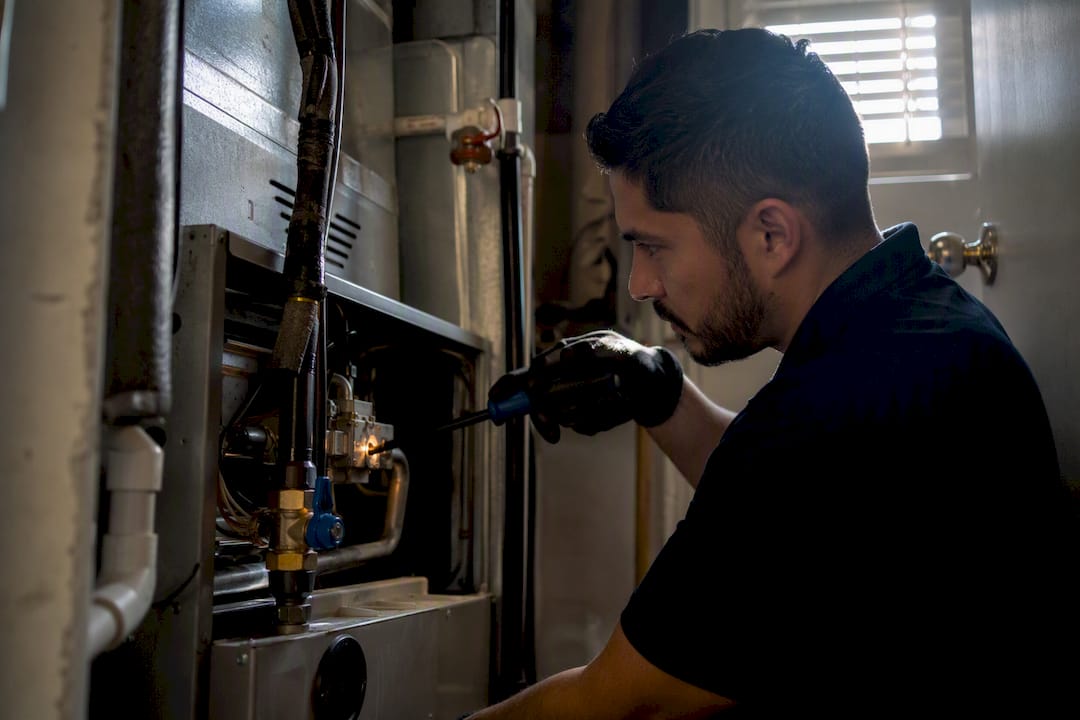
Most calls we get about a pilot that won’t stay lit turn out to be a thermocouple, and most of those get fixed in one visit without touching the rest of the system. Replacement only enters the conversation on older units where the burner assembly and heat exchanger show wear alongside the pilot problem.
The mistake we see most often isn’t ignorance, it’s persistence. Homeowners relight a sooty, yellow-tinged pilot five or six times over a week before calling anyone, when that flame color was telling them to stop after the second try. A professional visit isn’t just about the pilot. It’s a chance to catch a heat exchanger crack or a venting issue before it becomes a safety incident instead of a maintenance appointment.
— Dan Patino
How Texas Comfort Crew Can Help With a Pilot That Won’t Stay Lit
Texas Comfort Crew is the option for homeowners in the Greater San Antonio area who want a straight answer instead of an upsell. If your pilot keeps going out on a furnace or water heater, our technicians run the full diagnostic, thermocouple millivolt testing, orifice inspection, combustion check, and heat exchanger review, and explain exactly what’s failing before recommending anything.

We prioritize repair over replacement whenever it’s genuinely the smarter option for your budget and your system’s age, and we walk you through the pricing before any work starts, not after. If a full replacement really is the better call, you’ll hear the reasoning, not a sales script. Homeowners in the area can also join our maintenance membership plan for regular inspections that catch pilot and combustion issues before they turn into a cold shower or a no-heat morning. If you’re in the Spring Branch service area, book a diagnostic visit today and get your pilot light problem solved for good.
Sources
FAQ
How do you fix a pilot light that keeps going out?
Start with the thermocouple. Check its position in the flame, clean the tip, and if that doesn’t help, test it with a multimeter or replace it, since it’s the most common cause of repeat outages.
How do you clean a thermocouple on a gas heater?
Turn off the gas, let the unit cool, and gently rub the thermocouple tip with fine sandpaper or steel wool to remove tarnish and soot, then reposition it directly in the pilot flame.
Why does my furnace pilot light randomly go out?
Random outages usually trace back to drafts, an attic fan or exhaust vent pulling air near the appliance, or a thermocouple that’s just barely holding on and finally lets go under slight airflow changes.
What could cause a water heater pilot light to keep going out?
The same core causes apply: a worn thermocouple, a clogged orifice producing a weak flame, or drafts near the closet where the water heater sits. If it happens repeatedly on an older unit, have a technician run a full diagnostic rather than continuing to relight it.
Recommended
Comments