
HVAC Second Opinion: How to Get an Honest Quote Review
Updated: Sep 10

Yes, get a second opinion any time an HVAC quote tops $1,000, feels rushed, or leaves you confused about what’s actually broken. The single best move in the next 24 to 48 hours: pull together your written quote and photos of the equipment, then book a diagnostic visit with an independent technician.
Get a second opinion: Repair quote over $1,000, replacement suggested for a unit under eight years old, or the tech pressures you to sign today.
Skip the wait: Active gas leak, smoke, carbon monoxide alarm, or no heat/cooling in extreme weather. Handle the emergency first.
Key Takeaways
A second opinion on any HVAC quote over $1,000 typically costs $80 to $200 and can prevent thousands in unnecessary replacement costs.
Point | Details |
Know the thresholds | Get a second opinion on quotes over $1,000 and always above $5,000 before signing. |
Demand measured data | A credible diagnosis includes refrigerant pressure, airflow, electrical, and combustion testing, not a verbal guess. |
Apply the cost-ratio rule | Repair under 30% of replacement cost on a unit under 8 years old; replace above 50% or past 12 years. |
Watch for red flags | Pressure to sign today, unverified safety claims, and missing permits or rebates signal a rushed or biased quote. |
Choose Texas Comfort Crew | Delivers written, itemized second-opinion reports with no-pressure recommendations across the Greater San Antonio area. |
Table of Contents
Why Getting an HVAC Second Opinion Pays Off
Misdiagnosis happens more than most homeowners assume. A tech spots one bad component, guesses the whole system is dying, and quotes a full replacement instead of the $300 part that actually failed. Some of that is genuine error. Some of it is a commission structure that rewards the bigger ticket.
A second opinion earns its cost back fast when the original quote is large, the diagnosis feels vague, or you’re told to decide on the spot. Independent reviewers report that getting another assessment on quotes over $1,000 is standard advice, and the diagnostic fee for that second look typically runs $80 to $200.
The math is simple: spend $150 to confirm a diagnosis, or risk $6,000 on a replacement you didn’t need. A second opinion on plumbing quotes follows the same logic in a different trade, where a $3,000-plus repair often triggers a free independent review before anyone signs.
What Happens During a Second-Opinion Visit?
A real second opinion isn’t a technician glancing at your paperwork and nodding along. It’s an independent diagnostic that either confirms or contradicts the first quote using measured data, not a guess.
You submit documentation. Hand over the original written, itemized quote, the unit’s model and serial numbers, and photos of the equipment and any visible damage.
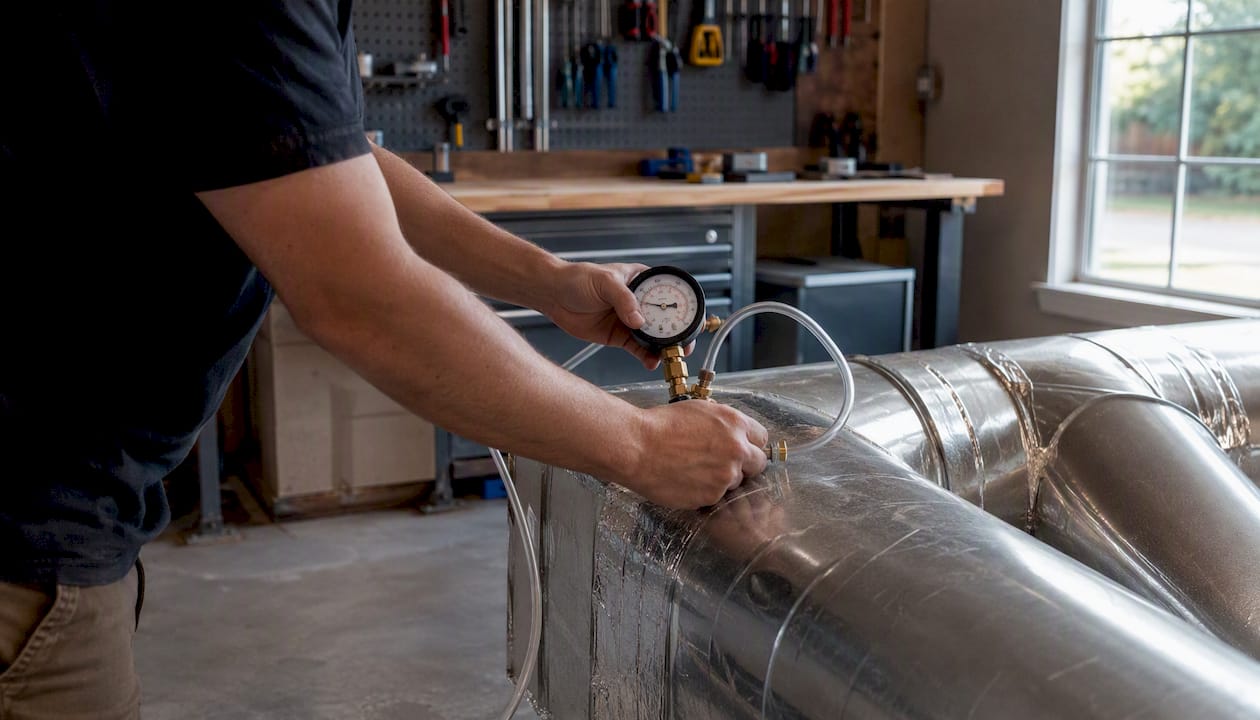
The technician runs an independent diagnostic. That means refrigerant pressure checks, airflow and static pressure readings, electrical testing, and combustion or carbon monoxide analysis if the system burns gas.
You get a written report, not a verbal opinion. It should name the root cause, list every option considered, and break out parts and labor separately.
This structured approach (document, diagnose, report) mirrors what independent HVAC evaluators recommend as the baseline for a trustworthy review.
Step | What Happens | Typical Cost |
Submission | Provide quote, serial numbers, photos | Free |
Diagnostic visit | Pressure, airflow, electrical, combustion tests | $80–$200 (some waived) |
Written report | Root cause, options, itemized pricing | Included in visit |
Some providers waive the diagnostic fee entirely if you have a written first quote in hand, treating the review as a service rather than a sales call.
When Should You Always Get a Second Opinion?
Dollar thresholds give you a fast gut check, but they’re not the whole story. A $600 repair on a 3-year-old unit rarely needs a second look. A $600 repair pitched as “the first step before you’ll need a new system anyway” absolutely does.
Over $1,000: Worth a second look, especially if the explanation felt thin.
Over $5,000: Get another opinion before signing, no exceptions, particularly when replacement is recommended over repair.
Pressure to decide today: A legitimate diagnosis doesn’t expire in an hour.
Safety claims with no evidence shown: If they say “cracked heat exchanger” or “gas leak,” ask to see it.
Missing permits or rebate mentions: Reputable contractors flag both upfront.
Quote Amount | Recommended Action |
Under $500 | Proceed if diagnosis is clear |
$500–$1,000 | Ask questions; consider a second opinion for vague findings |
Over $1,000 | Second opinion strongly advised |
Over $5,000 | Second opinion before signing anything |
Emergencies are the exception. A no-heat call during a freeze or an active gas smell means you act immediately and sort out the second opinion afterward, if the fix still seems questionable.
What a Credible Technician Actually Tests
A thorough diagnostic isn’t a five-minute glance at the outdoor unit. It includes measurable checks that either confirm the original diagnosis or reveal it was wrong.
Refrigerant pressure and leak detection: Confirms whether the system is actually low on refrigerant or the compressor is failing for another reason.
Airflow and static pressure: Poor airflow mimics a dozen other problems, from bad ductwork to a failing blower motor.
Amperage draws: Tells you if a motor or compressor is straining, which points to a specific failing part rather than a system-wide failure.
Combustion and carbon monoxide testing: Nonnegotiable for gas furnaces; this is where safety claims get proven or disproven.
Duct inspection: Leaky or undersized ducts often get blamed on the equipment instead.
Manual J load calculation: The industry standard for sizing a system correctly, especially relevant if replacement is on the table.
Pro Tip: Ask the second technician to physically show you the failed part and explain, in plain terms, how it failed. A tech who can’t or won’t do this is giving you an opinion, not a diagnosis.
Repair or Replace: The Rules of Thumb That Actually Hold Up
Cost-ratio thinking beats guesswork every time. Compare the repair estimate to the price of a full replacement, then weigh that against the unit’s age.
Under 30% of replacement cost, unit under 8 years old: Repair almost always makes sense.
30% to 50%, unit 8 to 12 years old: This is the gray zone. Warranty status and expected efficiency gains should tip the decision.
Over 50%, unit over 12 years old: Replacement usually wins, per common industry cost-ratio guidance.
None of that math applies when safety is the issue. A confirmed cracked heat exchanger or a significant gas leak needs to be resolved immediately, independent of what the percentage says, once a second technician has verified the finding.
What to Ask the Second Technician On-Site
Don’t hand over the first quote the moment the technician arrives. Let them diagnose independently first, then compare notes. That sequencing is what actually tests whether the two diagnoses agree.
“What tests did you run, and what were the actual readings?”
“Can you walk me through the failure mode on this part?”
“Did you perform a Manual J load calculation, or are you going off the existing system size?”
“What’s covered under warranty, and does that change the repair-versus-replace math?”
“Can I get this as a written, itemized estimate with parts and labor broken out?”
Pro Tip: Always ask for 24 to 48 hours to decide after getting the written estimate. A technician who won’t give you that window is applying pressure, not offering expertise.
How to Choose a Trustworthy Second-Opinion Provider
The whole point of a second opinion collapses if the second technician has the same incentive to upsell as the first. Vet them the same way you’d vet any professional making a costly recommendation.
Check for NATE certification. It’s a recognized credential that signals technical competence beyond a basic license.
Confirm licensing and insurance before they set foot on your property.
Ask if they’ll run a Manual J calculation and share measured readings, not just a verbal impression.
Read BBB profiles and verified reviews, which surface complaint patterns and accreditation status that a five-star average alone won’t show.
Understand the fee model. A paid diagnostic often carries less conflict of interest than a “free” visit designed purely to close a sale.
How Texas Comfort Crew Handles Your Second Opinion
Texas Comfort Crew treats a second opinion as a diagnostic job, not a sales pitch. Technicians measure refrigerant pressure, airflow, and electrical draw independently, run a load calculation when replacement is on the table, and hand you a written report before any conversation about next steps.
We’d rather tell a homeowner their $400 part will fix the problem than sell them a $9,000 system they don’t need yet. Every recommendation gets explained in plain terms, with parts and labor broken out separately, so you can see exactly what you’re paying for and why.
Written, itemized findings with parts and labor listed separately
No-pressure recommendations, with warranty terms explained before you decide
Straightforward scheduling across the Greater San Antonio area
To get started, submit your existing written quote through the HVAC services page or contact the team directly to book a diagnostic visit.
A homeowner-first take on second opinions
Too many HVAC quotes get treated like a final answer instead of one technician’s opinion. Homeowners who ask for a second read almost always come away either relieved they didn’t overspend or grateful they caught a real problem early. Texas Comfort Crew builds its reputation on being the crew that tells you the truth, even when the truth is “you don’t need us for a full system yet.”
Get a Second Opinion Before You Sign Anything
If a quote left you uneasy, the fix isn’t guesswork. It’s a technician who measures instead of guesses and puts everything in writing before asking for a signature. Texas Comfort Crew reviews written quotes across the Greater San Antonio area and runs the same independent diagnostics described above: refrigerant pressure, airflow, electrical checks, and a load calculation when replacement is being discussed.

Scheduling is straightforward. Submit your existing quote and photos, and a technician will walk you through what they find, in writing, before you spend another dollar. Homeowners in that area can check current coverage and book directly through the Spring Branch service page, or use the main service area page to confirm availability near you. If ongoing upkeep is what you’re really after instead of a one-time review, the membership plans cover preventative inspections that catch small issues before they become expensive quotes in the first place.
Where to Verify Technicians and Diagnostic Standards
NATE certification lookup: confirms a technician’s tested competence.
BBB business profiles: surface complaint history and accreditation.
Emergency repair response guidance: helps you judge whether an “urgent” recommendation is truly time-sensitive.
Sources
FAQ
Should I get a second opinion on HVAC repair?
Yes, especially for quotes over $1,000, unclear diagnoses, or any recommendation to replace rather than repair. A diagnostic fee of roughly $80 to $200 is inexpensive compared to an unnecessary replacement.
What is the $5,000 rule for HVAC?
It’s a common guideline that any quote above $5,000 warrants a second opinion before you sign, since replacement-level costs deserve independent verification.
What is the 20 rule for HVAC?
Definitions vary across the industry, and no single standardized rule like this appears in credible HVAC guidance.
Definitions vary across the industry, and no single standardized “20 rule” appears in credible HVAC guidance.
What is the most common HVAC problem?
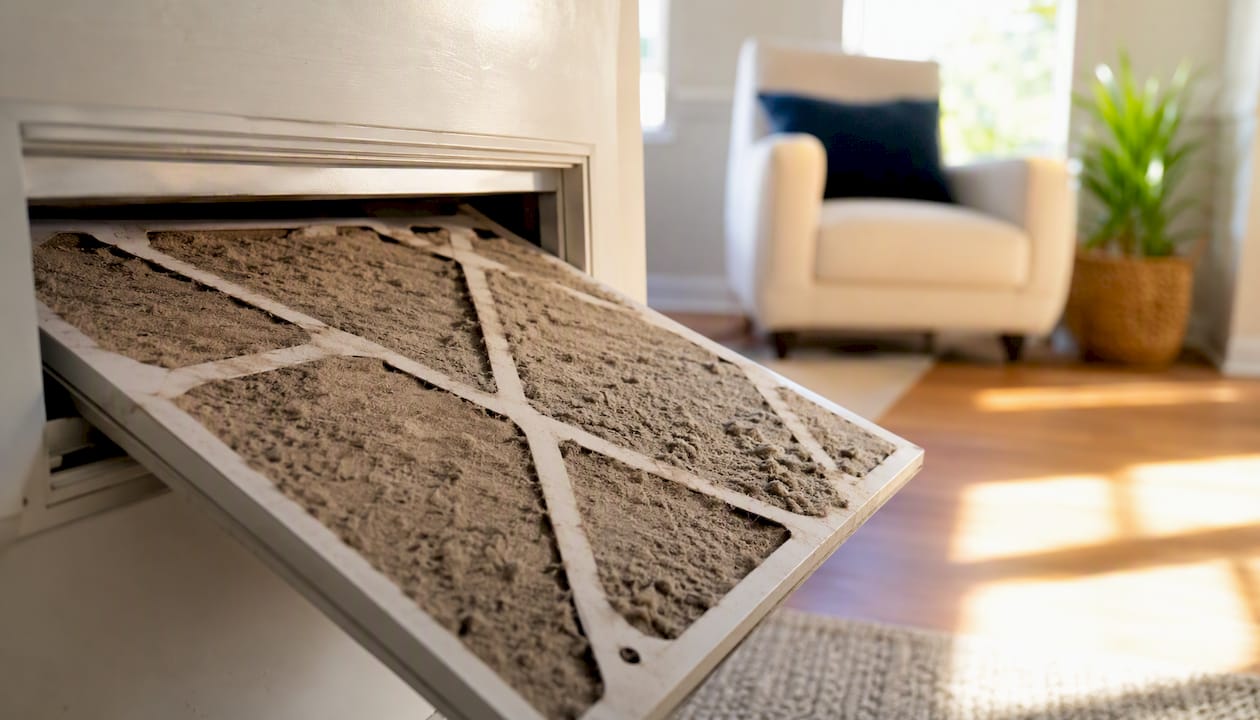
Airflow restrictions, from clogged filters to leaky or undersized ductwork, rank among the most frequent issues technicians find, and they’re also the problem most often misdiagnosed as a failing compressor or refrigerant leak.
Does Texas Comfort Crew offer HVAC second opinions?
Yes. Texas Comfort Crew reviews written quotes and performs independent diagnostic testing, including airflow, refrigerant pressure, and load calculations, then delivers a written itemized report across its Greater San Antonio service area.
Recommended
Comments